Game Hub
Gambonanza Guide Hub: Beginner Tips, Gambits, Bosses, Tiles, and First-Win Strategy
A practical Gambonanza guide hub covering beginner strategy, confirmed Gambits, boss modifiers, Stalemate Counter, tiles, queen builds, and difficulty modes.
Gambonanza is a chess roguelike where the goal is not checkmate. Your goal is to capture every enemy piece while keeping at least one of your own pieces alive.
That single rule changes how you should think about the game. Pawns are not just weak pieces. Queens are not just high-value targets. Sacrifices can be correct, but only if you can survive the next board. Gambits, tiles, stock pieces, bosses, crumble, and Stalemate Counter all matter more than standard chess habits.
This hub collects the main Gambonanza guides on GameStrategyHub and gives you a quick reference for the systems players usually get stuck on first.
Start Here
| Guide | Use it when you want to… | Link |
|---|---|---|
| Beginner Guide | Understand pieces, stock, shop, tokens, tiles, and basic run structure | Gambonanza Beginner Guide |
| First Win Guide | Stop losing early runs and get your first full clear | How to Win Your First Gambonanza Run |
| Pawn / Queen Build | Build around promotion, queen carry, and pawn economy | Pawn and Queen Build Guide |
| Tiles Guide | Learn Phantom, Blessed, Protective, Trap, Gold, and modified tiles | Gambonanza Tiles Guide |
| Early Gambits | See confirmed early Gambits and what they actually do | Strong Early Gambits in Gambonanza |
| Boss Tips | Prepare for Hikarul, Judith, Magnus, Kev, Tal, and other bosses | Gambonanza Boss Tips |
Quick Mechanics Reference
| System | Short explanation | Why it matters |
|---|---|---|
| Win condition | Capture every enemy piece. | Enemy kings are just pieces. You are not playing for checkmate. |
| Lose condition | Lose all active pieces on your board. | One bad trade can end the run. |
| Stock | Your reserve pieces outside the board. | You can deploy extra pieces, but some bosses restrict this. |
| Promotion | Pawns can promote when they reach the far side. | Queen promotion is one of the easiest beginner win conditions. |
| Gambits | Passive rule-changing effects. | They define your build and create broken synergies. |
| Modified tiles | Special tiles with extra effects. | They can copy, protect, bless, trap, or generate money. |
| Crumble | The board can collapse if the game drags on. | Crumble can kill enemy pieces, but it can also ruin your board. |
| Stalemate Counter | A separate anti-stall counter. | If it reaches 3/3, the run can end. |
| Difficulty modes | Post-win challenge modifiers. | These unlock after your first clear and extend replay value. |
Best Beginner Strategy
For your first clear, the safest general plan is:
promote pawns → create queens → protect key pieces → preserve enough money and stock for bosses
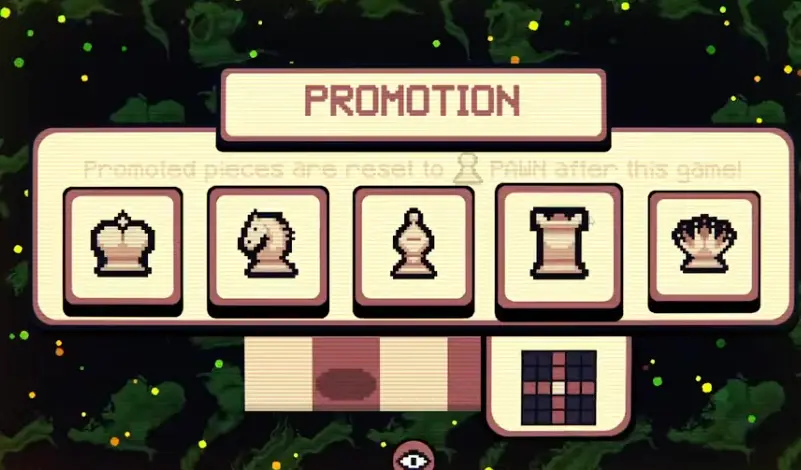
This does not mean every run should force the exact same build. It means new players should focus on simple, reliable value before chasing complicated Gambit chains.
A strong first-clear plan usually includes:
- at least one safe pawn promotion route
- one or more queens for board control
- enough backup pieces in stock
- a way to protect or recover valuable pieces
- enough money to replace losses after bad boards
- caution around enemy queens, rooks, and boss modifiers
The biggest beginner mistake is winning one board by losing too many permanent pieces. Gambonanza is a run-based game, so a trade that looks good on the current board can still make the next board unwinnable.
Stalemate Counter
Stalemate Counter is not the same as crumble.
Crumble is about the board falling apart over time. Stalemate Counter is about the game detecting repeated no-progress states. If the counter reaches 3/3, the run can end even if you still have pieces.
Watch for Stalemate Counter when:
- neither side has a useful capture
- your pieces are blocked by holes or your own pawns
- enemy pieces are protected but cannot move productively
- you keep waiting without changing the board
- your only strong piece cannot reach the remaining targets
To avoid it, keep at least one active route open. Queens, rooks, bishops, knights, stock pieces, and movement-based Gambits can all help you break dead positions before the counter becomes fatal.
Read more: Gambonanza Beginner Guide
Confirmed and High-Confidence Gambits
This is not a full Gambit tier list. Gambonanza has many Gambits, and exact wording can matter. The table below focuses on Gambits that are confirmed or high-confidence from gameplay footage, public coverage, or repeated player discussion.
| Gambit | Effect summary | Best use |
|---|---|---|
| Thunder’s Gambit | Capturing with a pawn skips the enemy turn. | Pawn chains, early clears, tempo control |
| Throne’s Gambit | Promotion-related King reward. | Promotion builds and extra piece generation |
| Lemming’s Gambit | Generates pawn economy value. | Cheap sacrifices and pawn-based growth |
| Berserker Gambit | First-turn capture grants money. | Aggressive openers and early economy |
| Chemist Gambit | Copies the first triggered tile onto another tile. | Tile builds and modified-tile engines |
| Jumps Gambit | Your pieces can move over holes. | Crumble boards and late-stage mobility |
| Beth’s Gambit | Capturing the last enemy with a queen grants extra money. | Queen-carry economy |
| Resurrection Stone Gambit | Phantom tile effects can create permanent value instead of only temporary copies. | Phantom/Ghost tile strategies |
| Falling Crowns Gambit | Waiting upgrades a pawn. | Pawn promotion and queen builds |
| Wrecking Ball’s Gambit | Rook-loss related King generation. | Rook sacrifice setups |
For most new players, Thunder’s Gambit is the easiest Gambit to understand because it directly turns pawn captures into tempo. Promotion and queen-related Gambits are also strong because they support the most reliable beginner strategy.
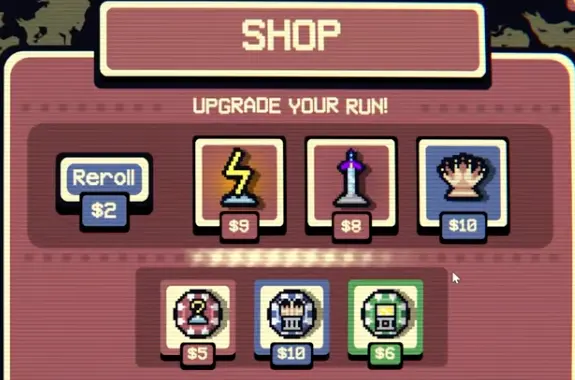
Full breakdown: Strong Early Gambits in Gambonanza
Boss Quick Reference
Gambonanza bosses change the rules of a normal board. Some hide information, some restrict your stock, some punish captures, and some force you to deal with special tile states.
The names below use the achievement-visible or community-recognized English names where available.
| Boss | Known or reported modifier | First response |
|---|---|---|
| Hikarul the Banished | Stock or bench restriction has been observed in gameplay. | Set your board before the fight and do not rely on mid-board deployment. |
| M3CH4GNU5 C4RL53N | Scrambles, hides, or randomizes information about your own setup. | Use flexible pieces and avoid strategies that depend on one exact starting square. |
| Judith Polgeisha | Hides the opponent’s formation during the setup phase. | Bring flexible attackers and avoid fragile one-line plans. |
| Kev Borclick | Clock or stasis-style pressure; some pieces may be temporarily uncapturable until enough waits pass. | Clear normal threats first, then create safe turns to resolve stasis. |
| Tàl the Cursed | Uses cursed-square pressure that can punish high-value pieces. | Keep queens and rooks away from cursed squares unless the trade is protected. |
| Botezarro | Reported to interact with bench, stock, or reserve restrictions. | Prepare your active board before starting the fight. |
| Jawby Fisher | Confirmed boss name, exact modifier still needs verification. | Enter with extra pieces, money, and at least one flexible queen or rook line. |
| Mighty Kasparov | Confirmed boss name, likely a late-run or high-pressure boss. | Do not enter with only one win condition. Preserve backup pieces. |
Boss-specific pages should use tooltip screenshots or direct gameplay verification before making exact claims. The hub only gives the quick reference.
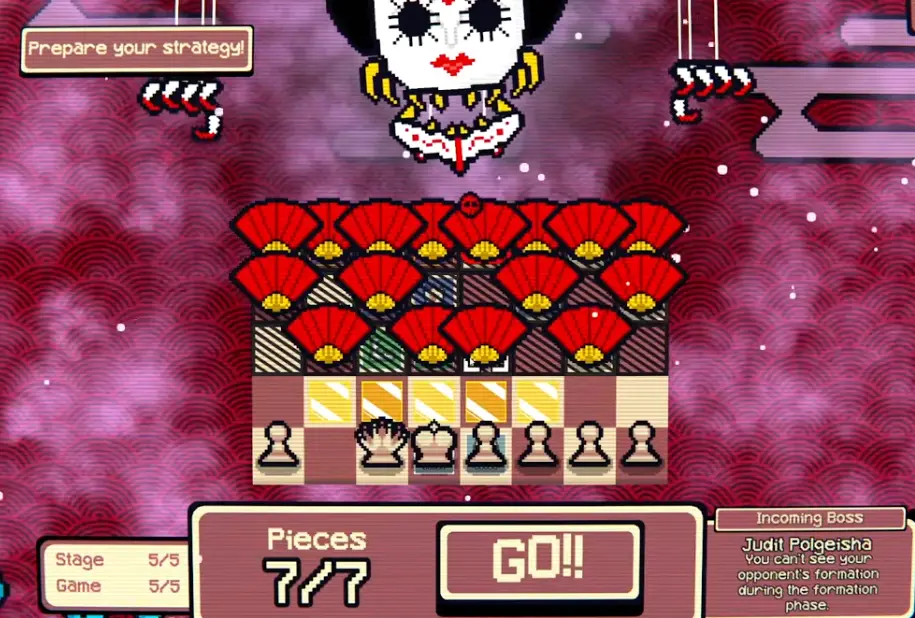
Full boss notes: Gambonanza Boss Tips
Tiles Quick Reference
Tiles are one of the main ways to break Gambonanza. They can turn a normal trade into a safe trade, create temporary pieces, trap enemies, or convert movement into money.
| Tile | Effect summary | Best use |
|---|---|---|
| Phantom Tile | Moving onto it creates a temporary phantom copy. | Sacrifices, emergency blockers, queen-copy setups |
| Blessed Tile | A captured blessed piece can return to stock. | Queen or rook sacrifice plays |
| Protective Tile | Protects a piece for one turn. | Safe queen placement and dangerous boss boards |
| Trap Tile | Traps an enemy that steps on it. | Stopping queens, rooks, bishops, or knights |
| Gold Tile | Turns a piece golden and creates money value. | Economy and tile-combo builds |
| Crumbling Tile | Can collapse and remove board space. | Dangerous, but sometimes useful against enemies |
The strongest tile discussions usually involve Phantom/Ghost + Gold or Blessed/Protective queen plays, but those details belong in the Tiles Guide rather than this hub.
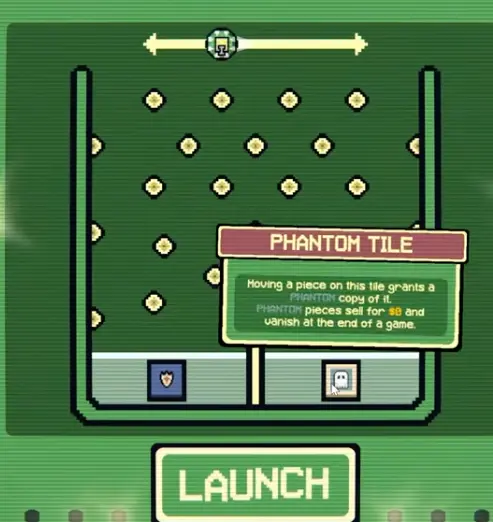
Full tile breakdown: Gambonanza Tiles Guide
Queen Builds and Queen Duplication
Queens are one of the strongest tools in Gambonanza because they solve several problems at once:
- they cover long lines
- they clean up scattered pieces
- they stop enemy pawns from promoting
- they can punish exposed rooks and bishops
- they make boss boards easier to stabilize
Current player discussion also points to queen-copy or queen-farming strategies involving Phantom/Ghost, Gold, Blessed, or tile-copy effects. These can be very strong, but the exact interaction should be treated as patch-sensitive.
For beginners, the safer version is simple:
- Promote pawns into queens.
- Protect queens with Blessed or Protective tiles.
- Use Phantom pieces for risky trades.
- Do not risk your only permanent queen unless she can return to stock.
Full build guide: Gambonanza Pawn and Queen Build Guide
Difficulty Modes
After your first successful clear, Gambonanza unlocks higher difficulty modes. These are post-clear challenge levels that make later runs harder by adding extra restrictions or modifiers.
If you are coming from Balatro, think of difficulty modes as Gambonanza’s version of a long-term challenge ladder: your first win is not the end of the game, it is the point where harder runs begin.
How to unlock difficulty modes
To unlock difficulty modes, win a full run for the first time. After that, higher difficulties become available as new challenge targets.
Known difficulty levels include:
| Difficulty | What it means for players |
|---|---|
| ROOK difficulty | The first step after your initial clear. Start here when you can win normal runs consistently. |
| KNIGHT difficulty | A harder follow-up challenge that expects better piece preservation and cleaner boss fights. |
| BISHOP difficulty | Mid-tier difficulty where bad trades and weak shops become more punishing. |
| QUEEN difficulty | Advanced difficulty for players who already understand Gambits, tiles, crumble, and boss modifiers. |
| KING difficulty | The highest known difficulty tier and likely the long-term endgame challenge. |
When should you try higher difficulties?
Do not rush into higher difficulties immediately after your first win. Try them once you can reliably:
- clear early boards without losing your best pieces
- keep enough stock for boss fights
- use Blessed, Protective, Phantom, and Gold tiles correctly
- avoid Stalemate Counter and bad crumble positions
- identify when a queen trade is safe
- recover after a bad shop or a bad boss board
If your normal runs still depend on lucky queen promotions or one strong Gambit, spend more time improving your first-clear strategy before pushing difficulty modes.
Common Mistakes
| Mistake | Why it hurts | Fix |
|---|---|---|
| Playing for checkmate | Gambonanza is about clearing all enemy pieces. | Treat every enemy piece as a target. |
| Losing too many permanent pieces | The next board can become unwinnable. | Sacrifice only when the run can recover. |
| Ignoring Stalemate Counter | The run can end at 3/3. | Keep capture routes and movement options open. |
| Waiting without a plan | Waiting can trigger crumble, boss pressure, or enemy effects. | Wait only when it improves the board. |
| Throwing away queens | Queens are your best board-control pieces. | Use Blessed, Protective, or Phantom setups before risky trades. |
| Letting enemy pawns promote | A pawn can become a much larger problem. | Block or capture promotion threats early. |
| Buying random upgrades | Money is part of your survival plan. | Buy around your current Gambits, pieces, and tiles. |
| Entering bosses with no backup | Boss modifiers can disable your normal plan. | Keep stock, money, and at least one flexible attacker. |
FAQ
Is Gambonanza just chess?
No. It uses chess movement, but the goal is different. You are clearing boards across a roguelike run with Gambits, modified tiles, bosses, shops, stock pieces, and long-term economy.
What is the easiest beginner strategy?
The easiest first-clear strategy is pawn promotion into queens, then using tiles and stock pieces to protect your key pieces.
What is Stalemate Counter?
Stalemate Counter is a separate anti-stall mechanic. If it reaches 3/3, the run can end. Do not confuse it with crumble.
What is the best early Gambit?
Thunder’s Gambit is one of the easiest early Gambits to understand because pawn captures skip the enemy turn. Promotion and queen-related Gambits are also strong.
Which tile should beginners prioritize?
Protective and Blessed tiles are the safest beginner picks. Phantom/Ghost and Gold tiles become stronger once you understand copy and economy interactions.
Which boss should I prepare for first?
Hikarul the Banished is an early boss check because stock or bench restrictions can punish players who rely on mid-board piece deployment.
How do I unlock difficulty modes?
Win your first run. After that, higher difficulties become available as post-clear challenges.
Should this hub replace the detailed guides?
No. This hub is only the entry point. Use the linked guides for exact Gambit notes, tile interactions, boss-specific tactics, and first-win strategy.
Gambonanza Guide Cluster
Explore the main Gambonanza guides, from beginner strategy to builds, tiles, Gambits, bosses, and first-win routes.
Learn how to play Gambonanza with beginner tips for win conditions, stock, promotion, shops, mini-games, tiles, bosses, crumble, and special pieces.
First Win GuideHow to Win Your First Gambonanza RunA first-clear Gambonanza strategy covering early pawns, queen promotion, shop choices, mini-games, Elite pieces, Crumblers, bosses, and common mistakes.
Build GuideGambonanza Pawn and Queen Build GuideLearn how to build around pawns, promotion, queen carry, multiple queens, Blessed and Protective tiles, Phantom copies, and queen farming in Gambonanza.
Tiles GuideGambonanza Tiles GuideLearn how Phantom, Ghost, Blessed, Protective, Trap, Gold, Cursed, and Crumbling tiles work in Gambonanza, plus Chemist tile-copy tips.
Gambits GuideGambonanza Early Gambits Tier ListA practical early Gambits tier list for Gambonanza, covering Thunder, Falling Crown, Chemist, Valkyrie, Banana Peel, Silver Fork, Demon, Jump, Beth, and key combos.
Boss GuideGambonanza Boss Guide and ModifiersLearn Gambonanza boss timing, key boss modifiers, cursed tiles, Elite pieces, Crumblers, and what to buy before boss fights.